Garden Decor Lighting Ideas: Lanterns, String Lights, and Fire Bowls
A practical guide to lanterns, string lights and fire bowls: how to layer decorative garden lighting for...

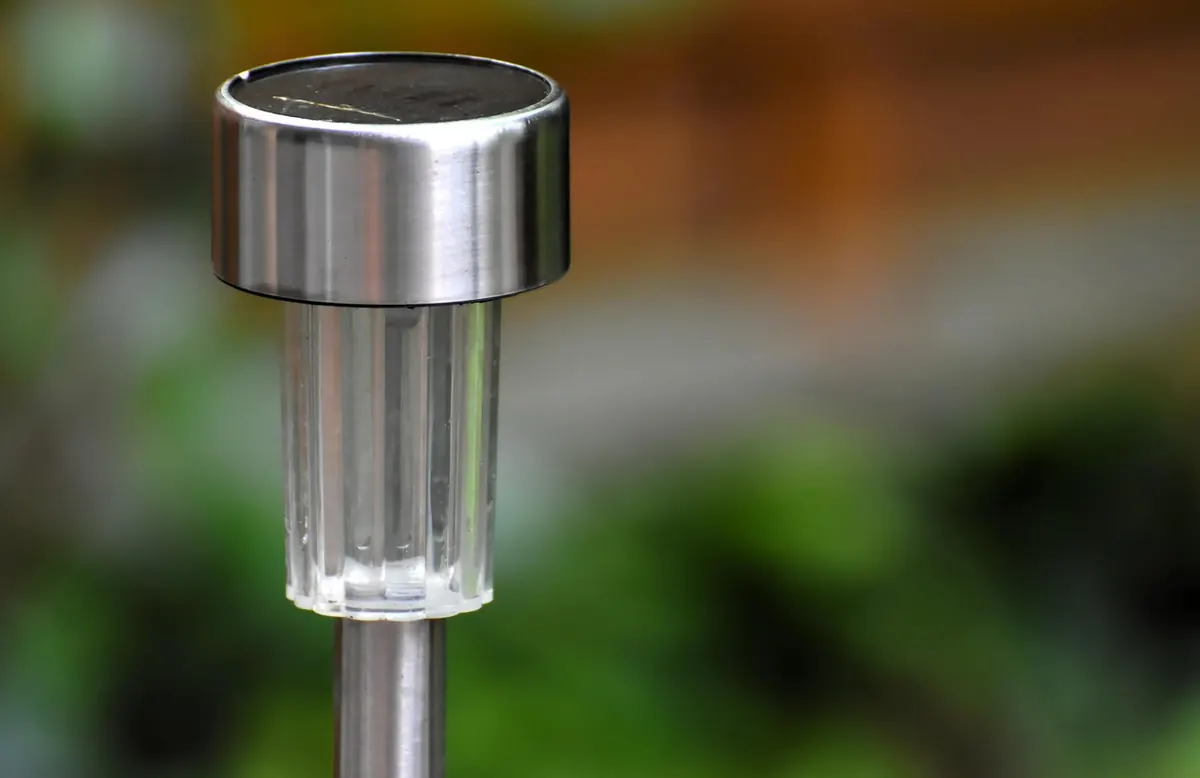
Solar garden lights have a reputation problem, and shade is usually why. A fixture that sparkles on a sunny patio can look feeble under a hedge or during a grey January week. The useful question is not whether solar works in low light—it does, within limits—but which parts of the system are doing the real work. Panels gather what light is available, batteries store it, and placement decides whether either has a fair chance. Get those three pieces right and a shaded or winter garden can still have gentle, dependable light instead of a row of dark ornaments.
A solar panel does not need direct sun all day, but it does need brightness. Under open sky on a dull day, a decent panel still charges, just slowly. Under a dense evergreen, a deep porch roof or a north-facing wall, it may collect so little that the battery never reaches a useful charge. The result is not simply a dimmer light. You often get a shorter runtime, so the fixture fades soon after dusk or switches on late.
Dappled shade is more forgiving than solid shade, especially from deciduous trees that lose their leaves in winter. Yet even there, performance will vary from week to week. A light that works in June may struggle in December, when the sun is lower, days are shorter and the tree canopy has been replaced by a wet roof or a fence shadow. Judge a spot by its worst reasonable week, not its best summer afternoon.
The panel is the part most often compromised on decorative solar lights. A tiny panel built into the top of a lantern looks neat, but it is also the limiting factor in shade. If the panel cannot gather enough energy, no battery upgrade will rescue it. Look at panel size and stated wattage before you look at the pretty housing. A physically larger panel can do more with weak light than a small, highly efficient one, though monocrystalline panels generally make better use of a small space.
Where possible, choose a fixture with a separate panel on a cable. That lets you put the light where you want it and the panel where the light actually falls. A panel tucked under eaves or behind a shrub is a decorative object, not a charger. In the northern hemisphere, aim the panel toward the south; in the southern hemisphere, toward the north. A modest tilt helps in winter, when the sun sits lower. Keep the glass clean and free of leaves, and check that the panel is not shaded by the light fixture itself.
Short days and cold nights are hard on solar batteries. Cold reduces the usable capacity of many cells, while weak winter light gives them less to work with. That is why a light that runs for hours in summer may manage only a soft glow in January. Battery chemistry matters. Lithium cells, including LiFePO4 types, generally cope better with cold and repeated cycling than older NiMH cells, but charging below freezing is still demanding. Choose fixtures rated for outdoor winter use rather than assuming any solar light will cope.
Replaceable batteries are a practical sign. Sealed units with no user-replaceable cell become disposable when the battery fades. If your lights are removable and your winters are severe, bring them inside after a full charge and store them cool and dry; otherwise leave outdoor-rated units in place and keep their panels clear. When runtime drops noticeably before winter, replace the batteries early rather than waiting for the first dark evening.
Solar garden lighting is best at accent, atmosphere and gentle path marking. In deep shade it is not a substitute for mains wiring, and in winter it is not a guarantee of all-night brightness. Look for honest lumen and runtime information, then assume a shaded or winter spot will deliver less. A fixture rated for many hours in full summer sun may give a few hours of useful glow in December. That can still be enough for a border, a shed wall or a step, provided you are not asking it to light a whole patio.
Warm white light usually looks more natural in a garden than stark cool white, even when the output is modest. A well-placed low light can make a path safer and a border more inviting without pretending to be floodlighting. If you need strong, consistent light under deep cover, low-voltage mains lighting is the more honest choice; solar works best when the design respects its limits.
Pick one bright charging point, run a cable to the shaded fixture, buy a panel with real surface area and a battery you can replace. Then judge the result after a dull week, not a sunny one. Solar lights in shade and winter are not magic, but with sensible placement and modest expectations they can be quietly useful—soft markers in the border, a glow by the shed door, a welcome light on a dark step.
Photo: Alexas_Fotos / Pixabay
A practical guide to lanterns, string lights and fire bowls: how to layer decorative garden lighting for...
Seven compact lighting strategies for courtyards and small city gardens, using vertical accents,...
Practical ways to conceal garden lights, transformers and cable runs using planting, mulch and edging — so...